
It's September 2017. We are all very excited for the fall season to start on the Great Lakes, but no waves are yet in sight. Everyone is slightly disappointed and anxiously waiting for winds and waves to come. I decided that this would be the best time to interview Pat.
I am happy to share with you the portrait of Patrice Manuel through my series of photos #isurf.
Name: Patrice Manuel (aka Patou, Pato ou Pat)
Occupation: President/ Founder of the Central Canadian Surf Association (CCSA)
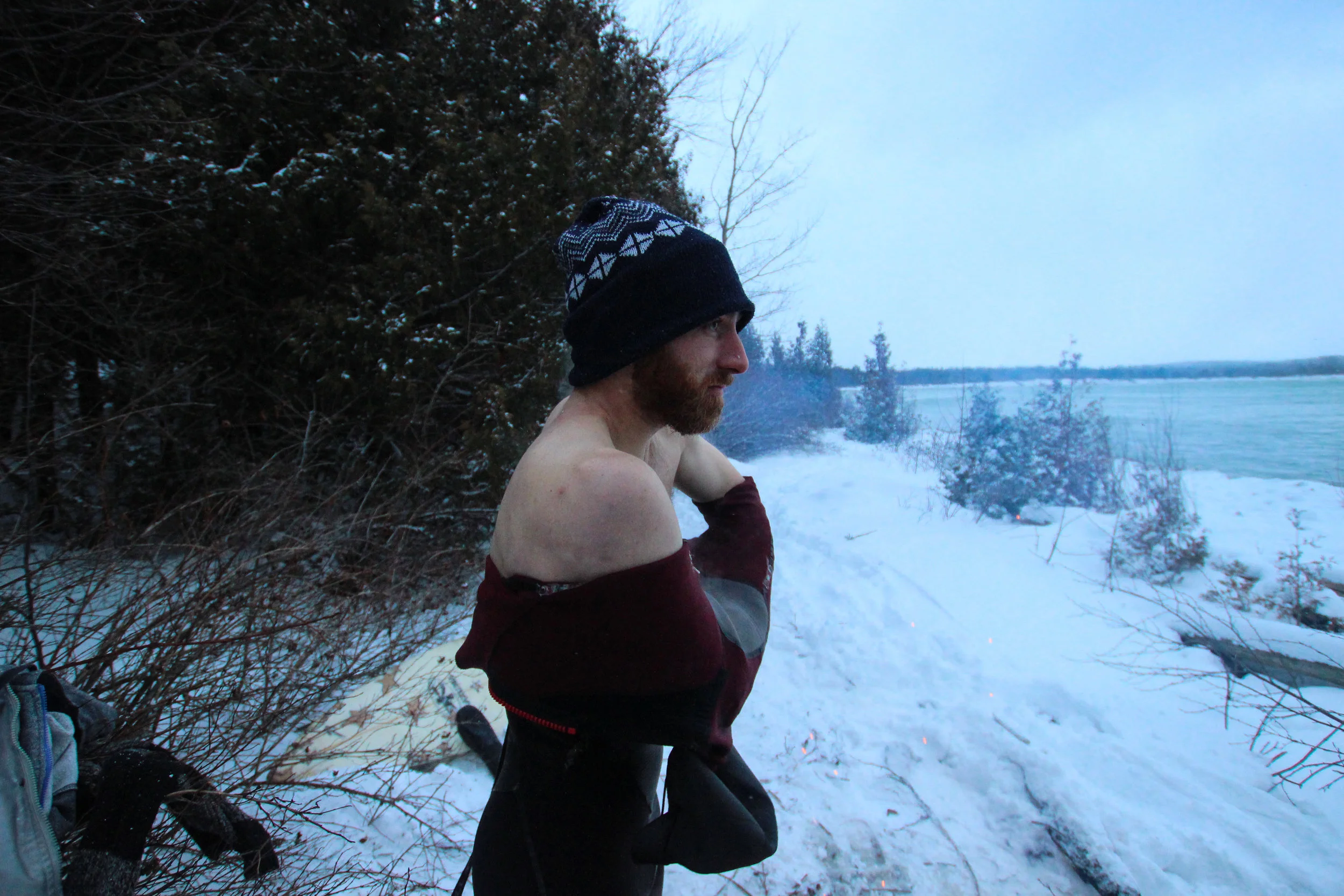
1. Where do you come from in what part of Canada?
I am from the Maritimes, New Brunswick, in the Acadian Peninsula in the northeast of the province. I come from a francophone community. In New Brunswick, we are at 42% Francophone, almost half of the province. In my little village, I grew up by the beach. My father is a fisherman. I have always been close to the water. On the other hand, there never really was waves, not that I could see with my eyes. In any case being younger, I did not look at the right places.
2. Originally, did you start with skateboarding or surfing?
In elementary school, I started skateboarding in 7th or 8th grade. At the time, I was alone with a friend of mine. There were some skaters, but they were all punks. At that time, in the late 90s, it was still a sport seen with a bad eye: we did not have a good image of skateboarding and not many people to look at apart Tony Hawk. He had a better image, but most of the others were "punks". So that's a little culture in which I grew up.
One day, I wanted to go to university to do music. A university came to make a presentation at my high school. They talked to us about their university in Nova Scotia and in the presentation, there were surf photos. During the presentation I asked why there were surf photos and they said there was surf in the area. I told them that I was interested. That same night, I told my parents that I had decided where I was going to go for university and that I was leaving home. Nova Scotia is 8 hours from home.
3. Did you start surfing as soon as you arrived in Nova Scotia?
In September, I went to university in the little village of Pointe-de-l'Église in Clare, Nova Scotia. It was the only francophone university in the region. I could not find waves; I did not know people and people did not seem to know where to find them. I was a little disappointed.
One evening, I went out with my friends and met a guy who surfed (named André). He said he was going to take me surfing, but it was almost winter, and I needed a wetsuit because of the cold water. I told him surprised: "Do people even do this during the winters?" And he said, "Yes. I have a wetsuit. I'll lend it to you, it's winter! ". Unfortunately, I did not succeed in surfing with this guy for the next two years. I saw him from time to time. Some days, he said there were no waves and other days he told me that I had just missed the waves. So I never surfed for the next two years.
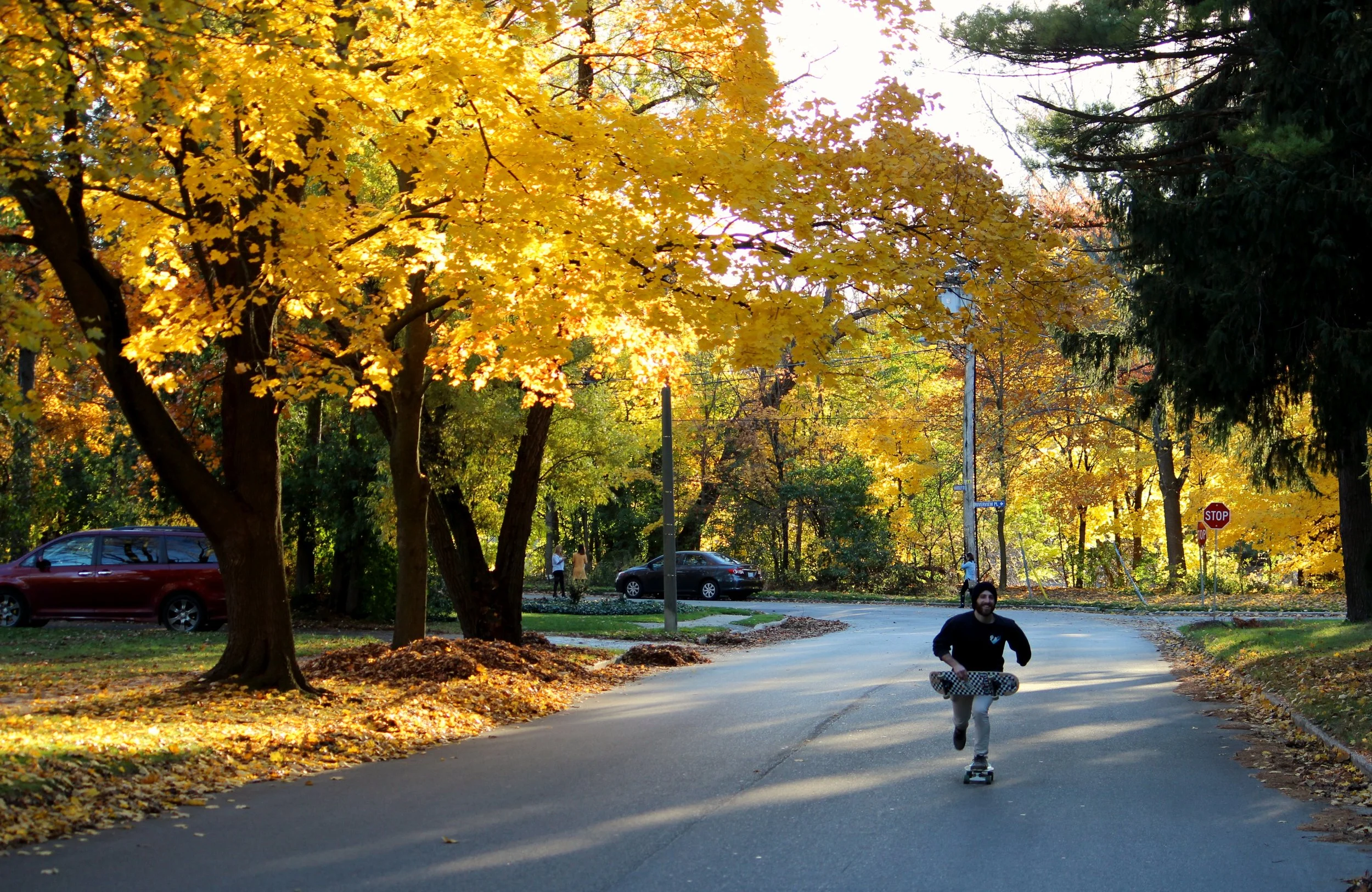
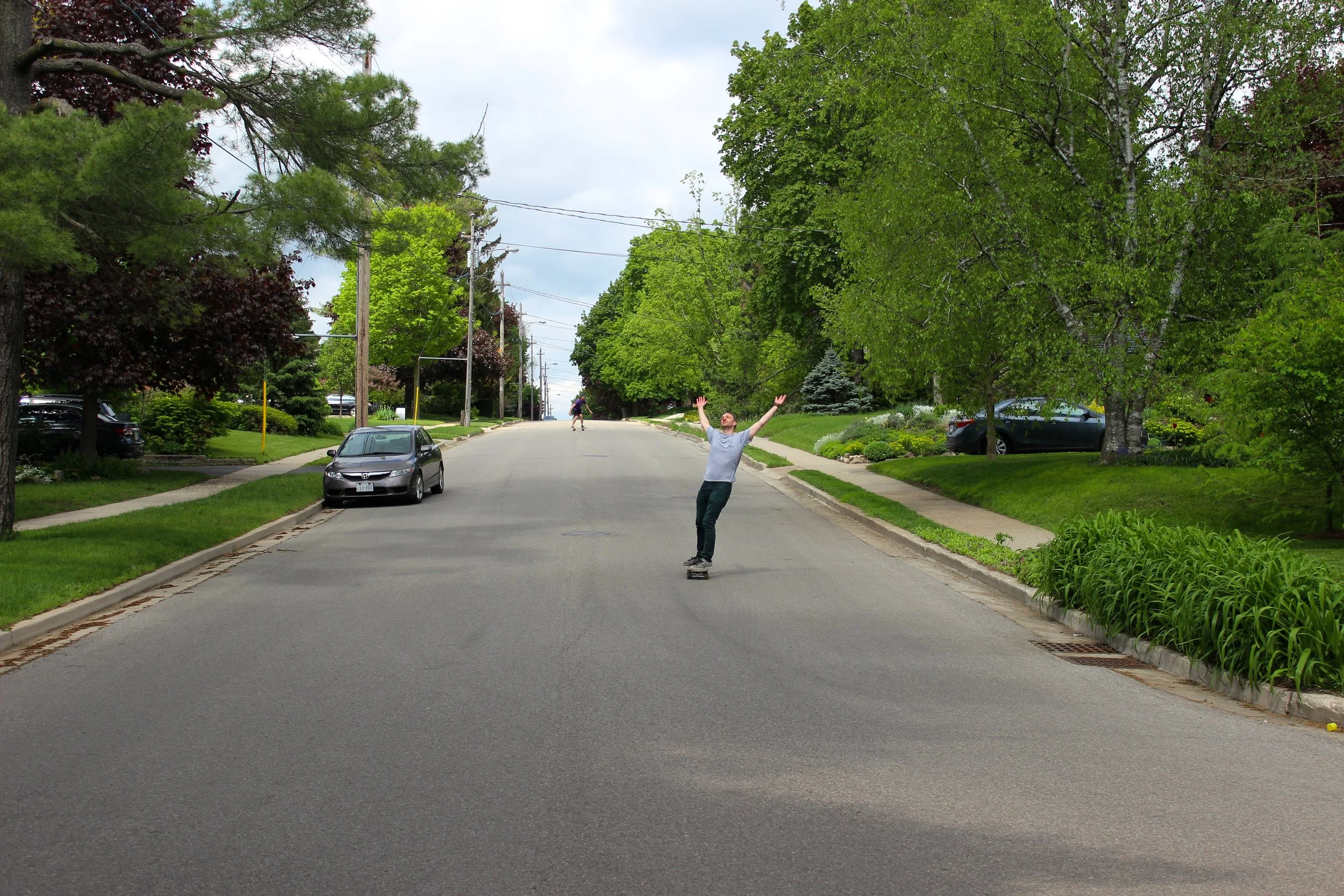
4. For two years? Where do you surf for the first time?
Yes, I was disappointed. Finally for my 3rd year, I had just come back from Finland, where I had also done a student exchange, and then wanted to do an internship in San Diego, California. I also wanted to go out there to learn to surf. It seemed ideal. I found a company in San Diego and they were doing marketing. They hired me and I could do my internship. I bought all my stuff (suits, etc ...) and I had all my papers. At the Toronto airport, I was stopped for a green card problem and I stayed with my uncle in Toronto for about a month. During that month, I discovered that the company was fake and that it was a scam. Finally, I did not go for an internship and there was nothing I could really do. However I had already bought my plane ticket, so I said to myself, "Look! I'm going to leave anyway, I already paid for everything". And that's what I did.
So my first surf trip was not planned. So I got there and went to Ocean beach. I took a surf lesson with a Mexican champion of the 90s. He took me to a surf spot that was more or less "secret". There were big waves and I did a full day surf session. The whole time I stayed in San Diego, I rented boards and got slammed in the waves every day. I could not figure it out!
So that's how I started.
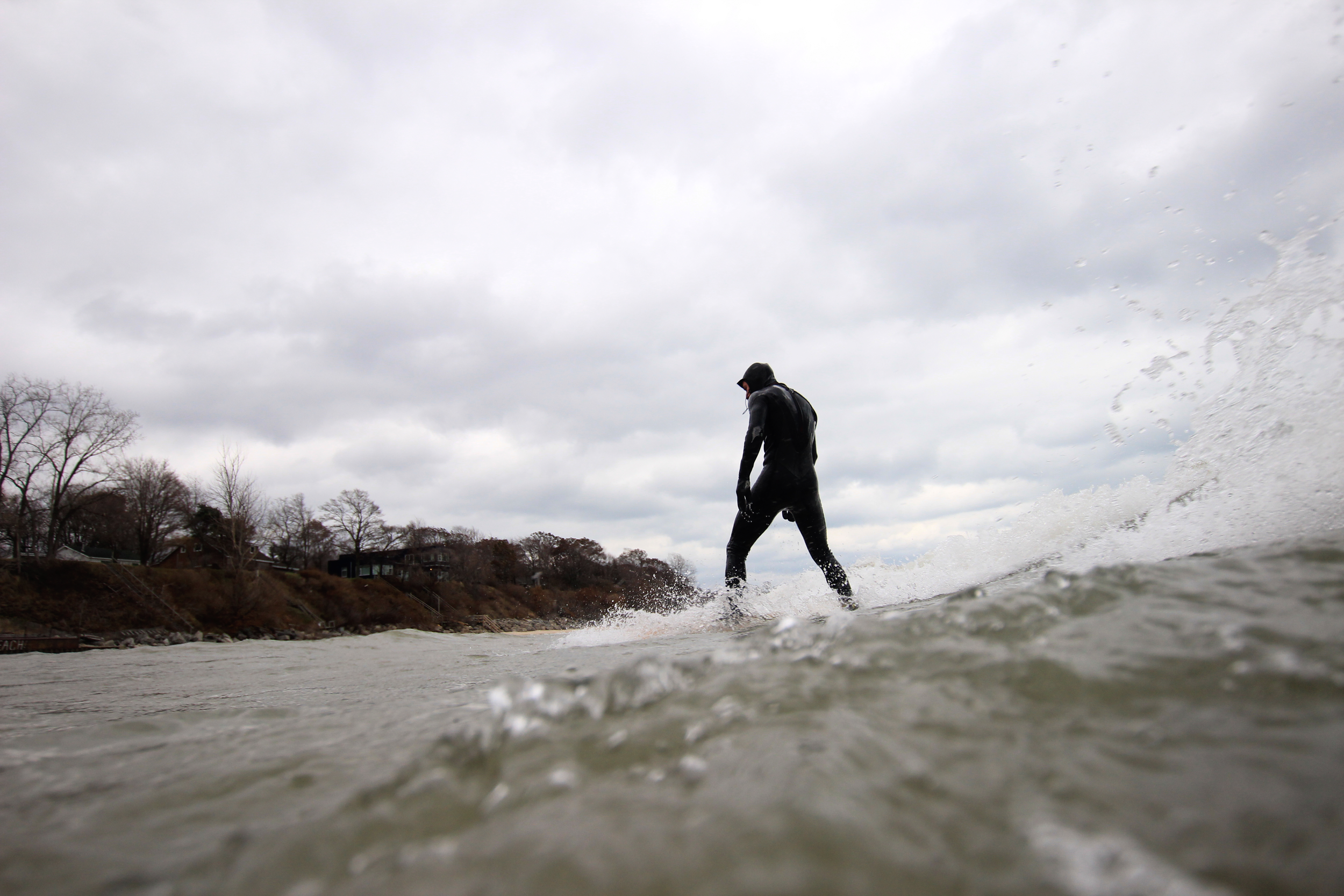
5. Did you continue surfing when you got back to Nova Scotia?
When I returned, my program manager informed me of another exchange program in Mexico. I was hesitant and she said:
- It's Mexico! You can surf there.
- Is there real surf there?
- Yes, you can surf there and you will be one hour from the beach.
I called my friend with whom I went to Finland and I told him:
- Dude! You wanna go to Mexico?
- Fuck yeah!
And that was it. We went to Mexico.
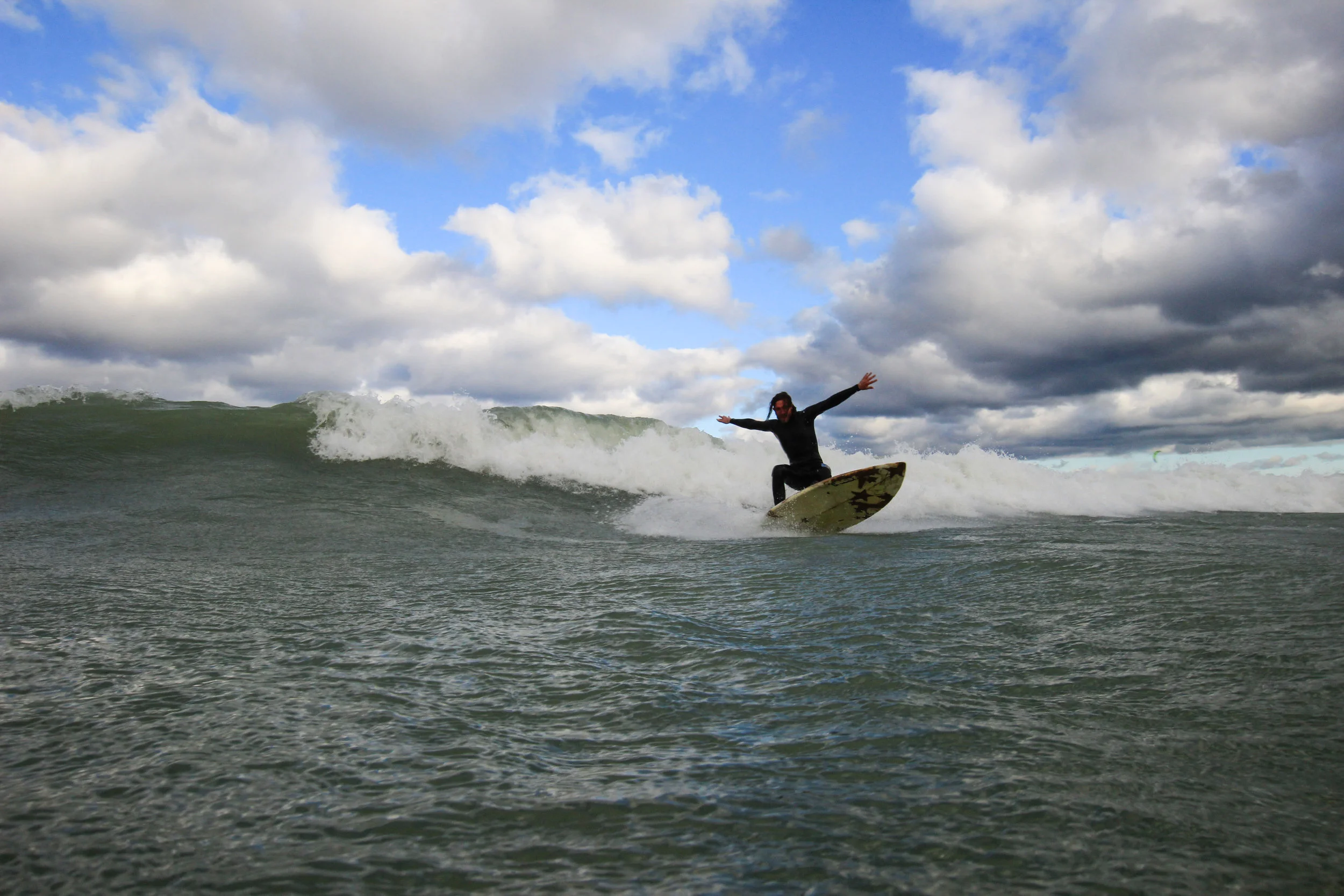
The #isurf series follows people of the Great Lakes community and retells their stories through anecdotes, interviews and photographs. #isurf will be released every other month, the first part will be released on the Wednesday and the second on the Friday.